 Call us now:

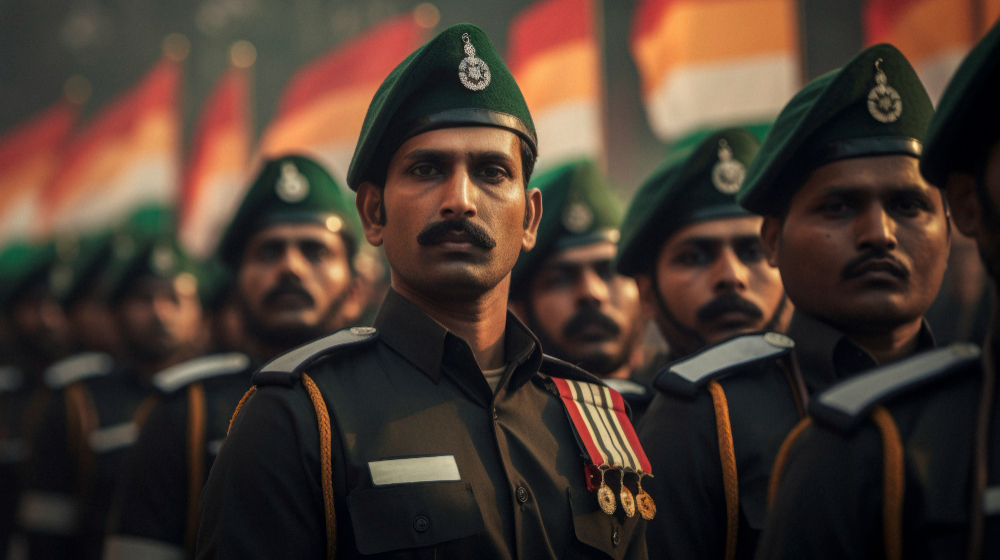
Security Challenges in the Indian Police Department

The Indian Police Department is the backbone of internal security, yet it faces growing challenges in adapting to the modern threat landscape. From cybercrime to political pressure, the obstacles are complex and evolving.
1. Outdated Infrastructure & Equipment
Many police stations in India lack access to modern tools such as CCTV surveillance, forensic labs, and cybercrime training. This technological gap hampers effective response to 21st-century threats.
2. Cybersecurity & Digital Threats
With the rise of online fraud, digital terrorism, and misinformation campaigns, police forces need upgraded cyber cells and technical skills. Unfortunately, most personnel are not trained for cybercrime investigations.
3. Political Interference
Frequent transfers, misuse of police for political agendas, and lack of autonomy weaken operational effectiveness and public trust. Police reforms are long overdue to ensure neutrality and accountability.
4. Understaffing & Long Hours
India has one of the lowest police-to-population ratios in the world. Officers often work 12–16 hours a day without adequate compensation or mental health support.
5. Internal Corruption
Instances of bribery, cover-ups, and favoritism diminish the credibility of the force. Transparent recruitment and regular audits can help build integrity.
6. Community Distrust
Due to incidents of custodial violence and misuse of power, the gap between citizens and police is widening. Community policing models need to be encouraged.
Conclusion
Strengthening the Indian Police Department requires systemic reforms, modern training, and digital transformation. Investing in our police is investing in national security and democracy.
Recommendation: India needs a multi-stakeholder approach involving the judiciary, legislature, civil society, and police leadership for lasting reform.